#PEOPLE · LinkedIn original
Safety first? Why ships are not built to stay in a safe harbour
Safety first? Why ships are not built to stay in a safe harbour
“Safety first?” What a terrible plane accident in Tokyo in recent days. I worked in aviation for fourteen years, so I know this guiding principle very well—a principle of essential importance in that industry. In my experience, what is binding in aviation applies figuratively to every successful business: instead of “safety”, one might say “stable operational processes”. These should be a focus for every entrepreneur and leader. Fortunately, that is usually the case.
Transformation in focus: beyond “Safety First”
But “Safety First” must not be elevated into an all-dominating mantra for every business area alike. Especially where innovation, change, transformation or the further development of systems, organisations, services and products are concerned, other guiding principles must shape daily action.
Schizophrenia in leadership: security and risk
Entrepreneurs and leaders therefore experience a kind of schizophrenia almost daily: “Safety First” on the one hand, “Trial and Error” on the other. In technical language, this phenomenon is also called ambiguity or ambidexterity in leadership: leadership ambidexterity is the ability to improve existing processes efficiently—exploitation—while exploring new paths through experimentation—exploration. What matters is being very clear about when and where each guiding principle applies and making clear that both apply in parallel, particularly during transformation and change.
Transformation and resistance: the challenges of change management
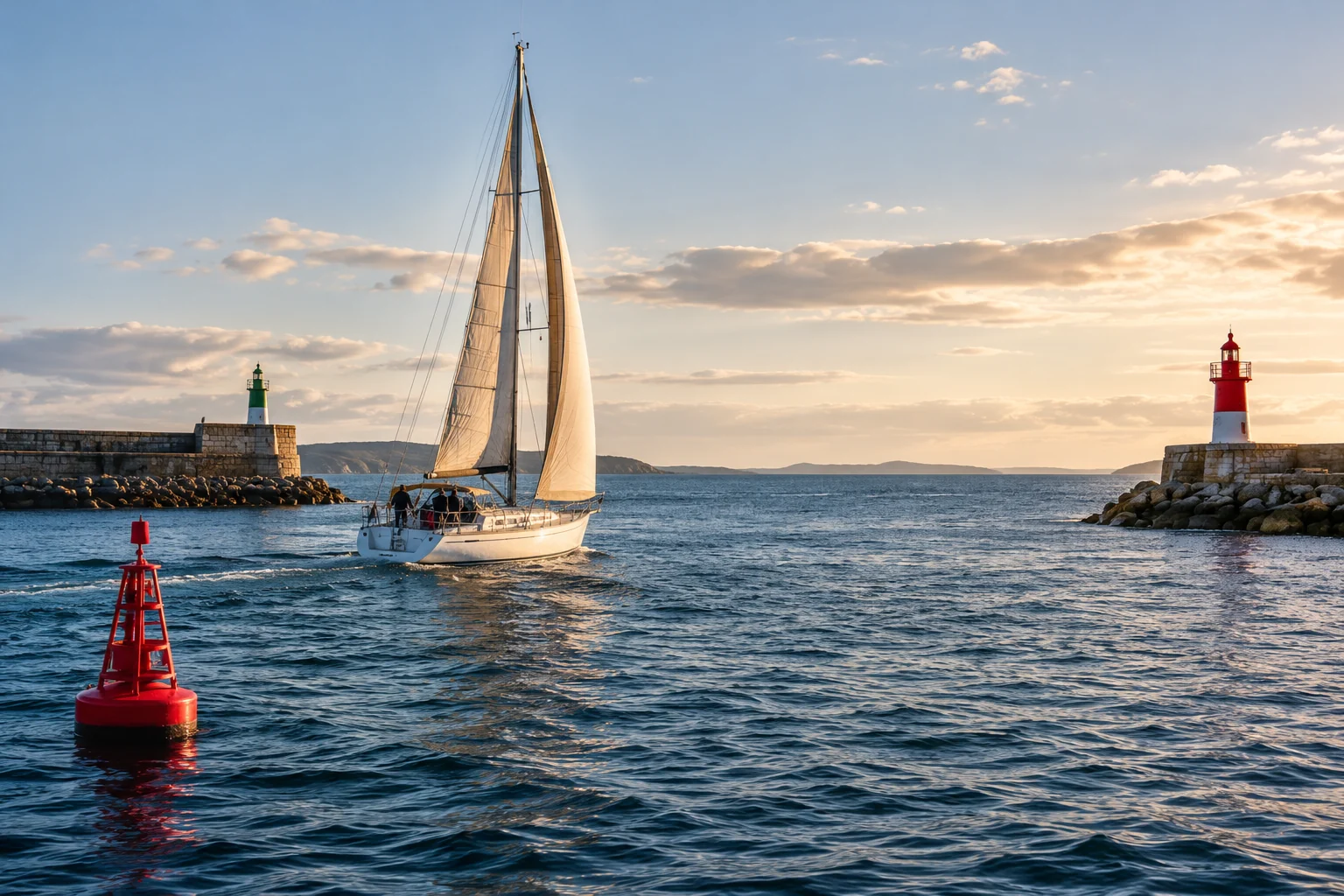
Professor Peter Kruse once said: “The safest place for a ship is demonstrably its anchorage in the harbour. But damn it, ships were not built to stay in harbour!” Translated into everyday leadership: damn it! Managing directors and leaders are not paid to administer the status quo. They are paid to shape change actively.
That makes me all the more surprised by leaders’ resistance during change processes when they say: “I still have many unanswered questions. They must all be answered completely before I am prepared to support the change.”
From anchorage to open sea: the courage to change
All I can say is: “Cast off! Just get on with it!”
Experience shows that the journey of change will raise many questions we cannot yet imagine today. If the headwind on change’s high seas then blows hard in our faces, it must not prevent us from resolutely steering towards our destination, even when the workforce aboard looks at operations and rightly cries out in alarm: “Safety first!”
Sounds schizophrenic, doesn’t it?
Decisive change begins with actively shaping change. As experienced consulting support, we help managing directors and leaders do exactly that. Please get in touch, and let us set the course for your success together.
Artikel teilen↗
What does this mean for your organisation?
Let’s explore your specific challenge together.
Let’s talk↗